
Abstract
Cold weather introduces specific physiological and environmental challenges for domestic dogs and cats. This article summarizes current scientific knowledge and veterinary recommendations regarding thermoregulation, nutrition, dermatological care, and environmental safety during the winter season. The objective is to provide pet owners with clear, evidence-based guidelines to support animal health and welfare.
1. Thermoregulation and Cold Stress
Mammals maintain body temperature through metabolic heat production and insulation provided by fur. However, small breeds, short-haired animals, senior pets, and animals with chronic disease display reduced thermoregulatory efficiency.
1.1. Indoor Temperature Requirements
According to veterinary thermal comfort studies, the recommended indoor temperature for most companion animals ranges from 18–24°C. Pets exposed to prolonged temperatures below this threshold show higher risk of hypothermia, joint stiffness, and decreased immunity.
1.2. Outdoor Exposure
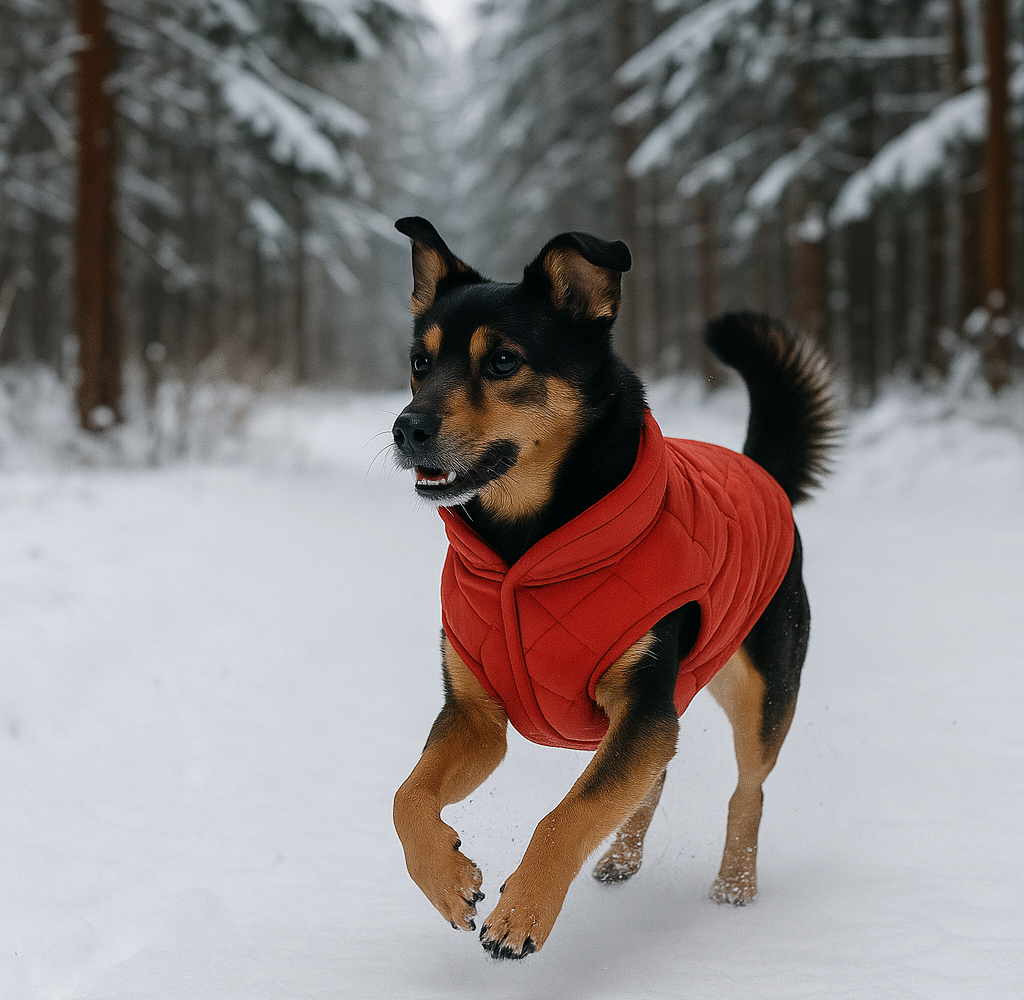
Scientific data indicates that exposure to outdoor temperatures below 0°C significantly increases energy expenditure and risk of frostbite, particularly in extremities (ears, paws, tail). Protective clothing for short-haired dogs has been shown to reduce surface heat loss.
2. Dermatological Considerations in Winter
2.1. Skin Barrier Function
Winter air is characterized by low humidity (<30%), which leads to transepidermal water loss (TEWL). Studies have confirmed that decreased humidity correlates with increased skin dryness, pruritus, and coat fragility in both dogs and cats.
2.2. Recommendations
- Regular brushing stimulates sebaceous secretions and improves coat insulation.
- Supplementation with omega-3 and omega-6 fatty acids has demonstrated clinical benefits in reducing dermatological inflammation.
- Excessive bathing should be avoided, as it disrupts lipid layers essential for skin barrier integrity.
3. Nutrition and Metabolic Needs
3.1. Caloric Adjustment
Cold temperatures increase basal metabolic rate. Working dogs and highly active breeds may require 10–20% additional caloric intake during winter months. Sedentary indoor pets, however, often require reduced caloric intake to prevent seasonal weight gain.
3.2. Hydration
Dehydration is frequently underestimated in winter. Heated indoor environments accelerate evaporative water loss. Clean, unfrozen water must be available at all times.
4. Musculoskeletal Health
Cold weather has been linked to increased joint stiffness, particularly in geriatric animals and those predisposed to osteoarthritis.
Evidence-Based Recommendations:
- Maintain moderate, consistent physical activity.
- Provide orthopedic bedding to reduce joint pressure.
- Discuss joint supplements (glucosamine, chondroitin, omega-3s) with a veterinarian.
5. Environmental Hazards
5.1. De-icing Chemicals
Compounds such as sodium chloride, magnesium chloride, and calcium chloride are common on winter sidewalks and are known irritants. Ingestion may cause gastrointestinal upset.
Mitigation:
- Rinse paws after walks.
- Use protective waxes or boots.
5.2. Reduced Daylight Hours
Shorter days create visibility risks. Reflective collars, harnesses, and leashes improve detection by motorists by more than 200%, according to canine visibility studies.
5.3. Frozen Water Bodies
Thin ice presents fall and drowning hazards. Dogs should remain leashed near lakes or ponds during periods of incomplete freezing.
6. Behavioral and Psychological Considerations
Winter often results in reduced outdoor activity, which may contribute to behavioral stress.
Recommendations:
- Provide environmental enrichment: puzzle feeders, interactive toys, and scent-based activities.
- Maintain regular play routines to support mental stimulation.
Conclusion
Winter presents a unique combination of environmental, metabolic, and dermatological challenges for domestic animals. By integrating current scientific findings with practical veterinary recommendations, pet owners can significantly improve the well-being, comfort, and safety of their dogs and cats during the winter season. Consistent monitoring, environmental adjustments, and appropriate nutrition remain the foundation of responsible winter pet care.