
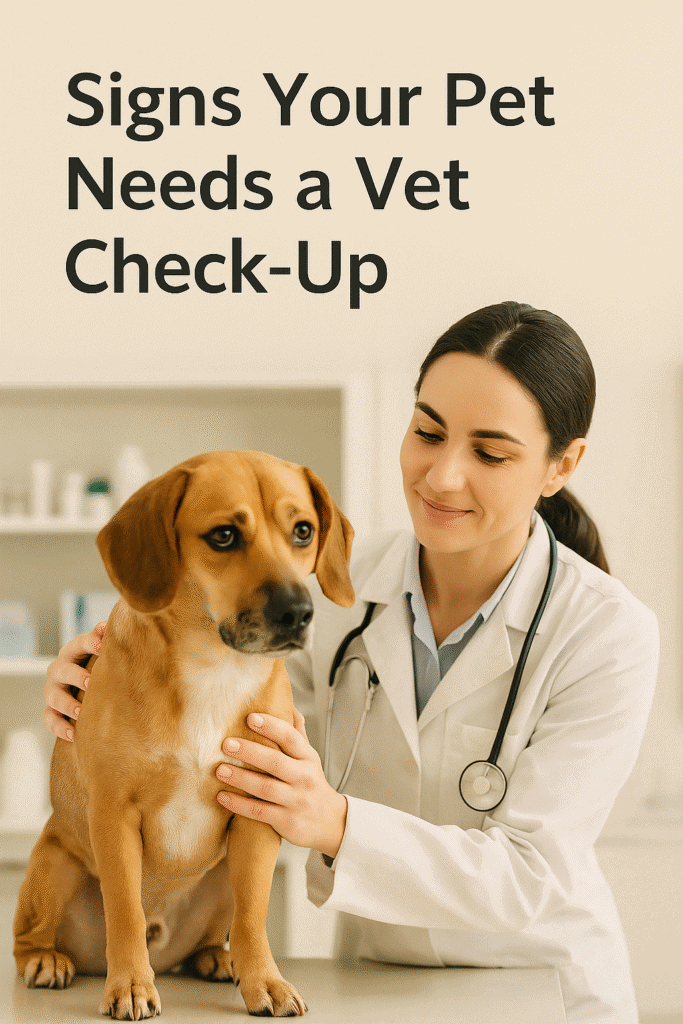
📝 Signs Your Pet Needs a Vet Check-Up
An Evidence-Based Guide for Responsible Pet Owners
Regular veterinary care is the foundation of a pet’s long-term health and well-being. Yet many health issues in dogs and cats remain unnoticed until they become serious. Unlike humans, animals often hide discomfort instinctively, which means subtle behavioral or physical changes may be the first and only indicators of an underlying problem.
Below is an evidence-based overview of the most important signs that your pet may require a professional veterinary evaluation.
1. Noticeable Changes in Appetite or Thirst
A sudden increase or decrease in food or water intake is one of the clearest red flags.
- Increased thirst may indicate diabetes, kidney disease, or hormonal disorders.
- Reduced appetite may signal pain, infections, digestive issues, or acute stress.
If the change persists for more than 24–48 hours, a check-up is recommended.
2. Unexplained Weight Loss or Gain
Weight fluctuations are rarely random.
- Rapid weight loss often points to metabolic conditions, parasites, or chronic illness.
- Weight gain may be linked to hormonal imbalances or reduced mobility.
Routine weigh-ins at home can help catch trends early.
3. Behavioral Changes or Lethargy
Pets experiencing discomfort often display behavioral shifts:
- Decreased playfulness
- Unusual aggression or irritability
- Hiding, trembling, or restlessness
These can suggest pain, neurological issues, or internal illness. If behavior changes abruptly, veterinary diagnostics are essential.
4. Digestive Issues: Vomiting, Diarrhea, or Constipation
Occasional stomach upset is normal, but repeated episodes signal deeper concerns.
Persistent vomiting or diarrhea may indicate infections, toxin exposure, allergies, or gastrointestinal disorders.
Constipation, especially in cats, can be a symptom of dehydration, blockages, or serious systemic conditions.
5. Breathing Difficulties or Persistent Coughing
Any change in respiratory rhythm should be treated seriously.
Labored breathing, wheezing, or chronic coughing may suggest:
- Respiratory infections
- Heart disease
- Allergic reactions
- Tracheal issues
Breathing problems require immediate veterinary evaluation.
6. Skin, Coat, and Grooming Changes
A healthy coat is a strong indicator of internal health.
Watch for:
- Excessive shedding
- Bald spots
- Dandruff
- Persistent itching
- Lumps or skin lesions
Dermatological symptoms can arise from allergies, parasites, endocrine disorders, or infections.
7. Changes in Mobility or Posture
Limping, stiffness, difficulty jumping, or hesitation when using stairs may indicate:
- Joint degeneration
- Ligament injuries
- Early-stage arthritis
- Neurological problems
Pets who suddenly refuse physical activity should be evaluated promptly.
8. Eye, Ear, or Nose Discharge
Discharge—especially if colored or foul-smelling—often signals infection or inflammation.
- Eyes: redness, cloudiness, or squinting
- Ears: head shaking, scratching, wax buildup
- Nose: thick or persistent discharge
Early treatment prevents long-term damage.
9. Bad Breath or Dental Problems
Dental disease affects over 70% of adult pets.
Signs include:
- Strong odor
- Drooling
- Difficulty chewing
- Swollen gums
Ignoring dental symptoms can lead to systemic infections.
Why Early Vet Check-Ups Matter
Timely diagnostics greatly improve treatment outcomes. Routine check-ups also help identify illnesses before symptoms appear, reducing long-term costs and improving quality of life.
Conclusion
Pets communicate through subtle signs, and attentive observation is key to protecting their health. When in doubt, always err on the side of caution. A quick veterinary visit may prevent a minor issue from turning into a serious medical concern.