
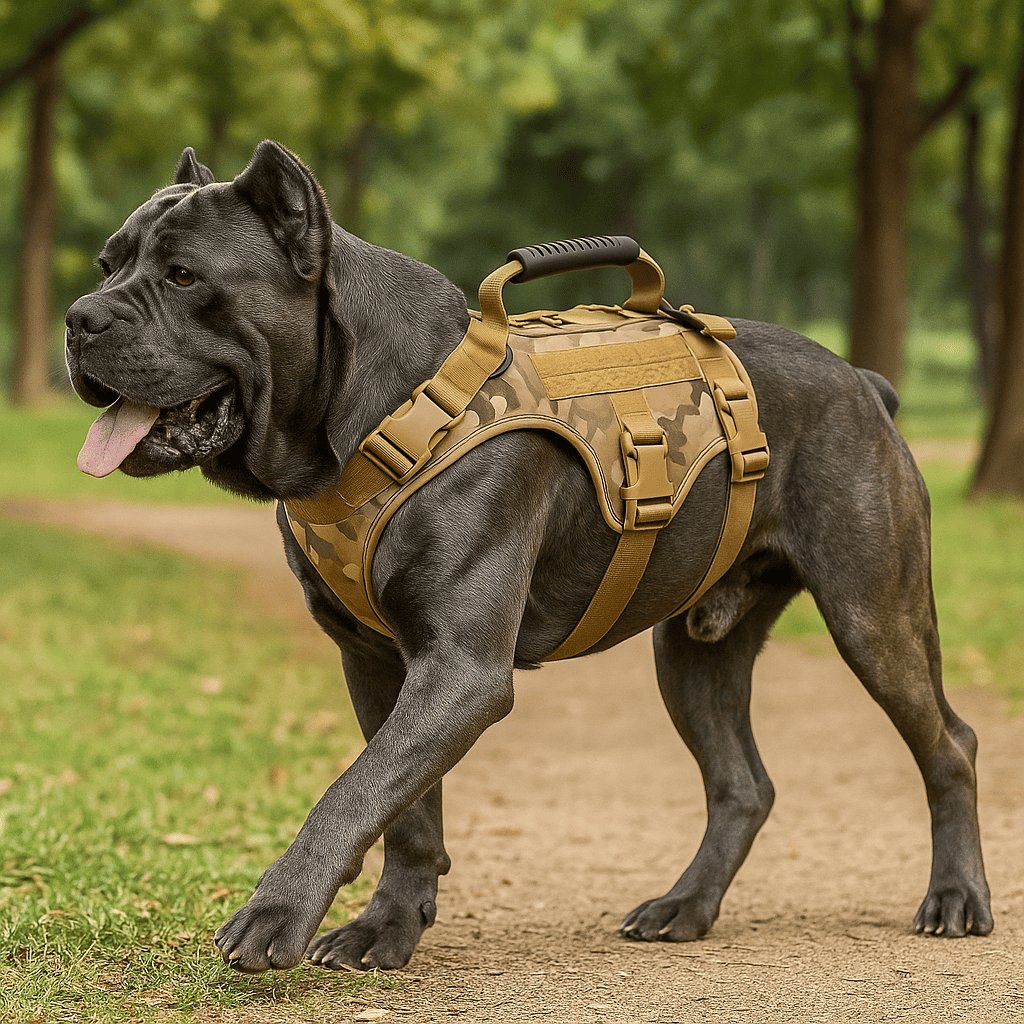
How to Choose the Right Tactical Harness for Strong Breeds Like the Cane Corso
Selecting a harness for a powerful breed is never as simple as picking the first model that looks sturdy. Owners of dogs like the Cane Corso quickly learn that choosing the right harness can mean the difference between a peaceful walk in the park and a constant battle for control. But beyond practicality, the choice of harness also shapes the dog’s comfort, confidence, and even its relationship with the world around it.
As urban spaces grow more dynamic and parks become bustling with distractions, a well-chosen tactical harness becomes a true partner—something that supports the dog’s natural abilities while helping the owner guide them safely.
Understanding the Needs of Strong, Muscular Breeds
For dogs such as the Cane Corso, movement is power. Their chests expand deeply, their shoulders drive forward with purpose, and their instincts remain sharp. This means that a harness must do more than simply “fit”—it must work with the dog’s body, not against it.
Many owners discover that standard nylon harnesses slip, twist, or place too much pressure on the neck. Tactical designs, however, distribute force across the torso, making guidance gentle yet firm. This makes it easier for both the dog and the handler to enjoy time outdoors without tension—literally and figuratively.
1. Fit Comes First — A Proper Harness Should Feel Like Clothing, Not Restraint
The very first step in choosing a harness is understanding fit.
A well-fitted harness should:
- Sit snugly against the dog’s chest without rubbing
- Leave enough room behind the front legs to avoid chafing
- Follow the natural curve of the shoulders
- Allow a full range of motion for running, jumping, or climbing
Owners are often surprised by how dramatically behavior changes when the fit is correct. A dog that once pulled relentlessly may suddenly walk calmly simply because the harness rests comfortably on the body.
2. Look for a Balance Between Structure and Freedom
A common misconception is that a tactical harness must be thick, heavy, or overly rigid. In reality, the best models strike a balance—structured enough to provide guidance, yet flexible enough to let the dog move naturally.
When choosing a harness, consider:
- How the padding is distributed
Padding placed in high-friction areas prevents skin irritation, especially for short-haired breeds. - Whether the straps follow the dog’s anatomy
A harness should complement movement, not block it. - The breathability of the materials
Overheating is a serious concern for muscular, energetic dogs.
A well-designed tactical harness often becomes something the dog quickly accepts—even prefers—because it enhances comfort during activity.
3. Evaluate Control Points Based on the Dog’s Behavior
Every Cane Corso has its own personality. Some are steady and observant; others are eager explorers who like to greet the world head-on.
This means the right harness depends not only on the dog’s size but also on its temperament.
A good harness for strong breeds typically includes:
- Top handles to guide the dog in busy environments
- Secure leash points, often reinforced
- Stability straps that prevent twisting if the dog shifts suddenly
For young or reactive dogs, these features provide owners with subtle, precise control—something that can make public outings far more pleasant.
4. Durability Matters, Especially for Outdoor Adventures
Cane Corsos thrive in wide, open spaces. They run, explore, investigate scents, and engage their powerful bodies fully.
A harness chosen for such a dog needs to keep up with that lifestyle.
When evaluating durability, pay attention to:
- Stitching consistency
- Strength of buckles
- Weather resistance
- How well the harness dries after rain or washing
A good tactical harness is not simply an accessory—it is equipment. And like any equipment designed for active use, it must endure stress without compromise.
5. Choose a Harness That Supports Training — Not Replaces It
One of the biggest misunderstandings among new owners is the belief that a harness will “fix” pulling or reactive behavior. In reality, the harness is a tool—an aid that makes communication easier.
A well-fitted tactical harness creates:
- Clear guidance during training
- Safer interactions with other dogs
- Better posture and confidence for the animal
It turns outings into shared experiences rather than confrontations. But the heart of good behavior remains consistent training, patience, and understanding.
Final Thoughts
Choosing the right tactical harness is ultimately an act of respect—for the dog’s body, instincts, and individuality. For strong breeds like the Cane Corso, a thoughtful harness selection becomes part of a larger partnership built on trust and communication.
When the harness fits well, supports natural movement, and gives the handler gentle control, both dog and owner step into the world with greater ease. Walks feel lighter. Training feels smoother. And daily life becomes not just manageable, but enjoyable.
A good harness doesn’t define the dog—it simply helps the dog be its best self.